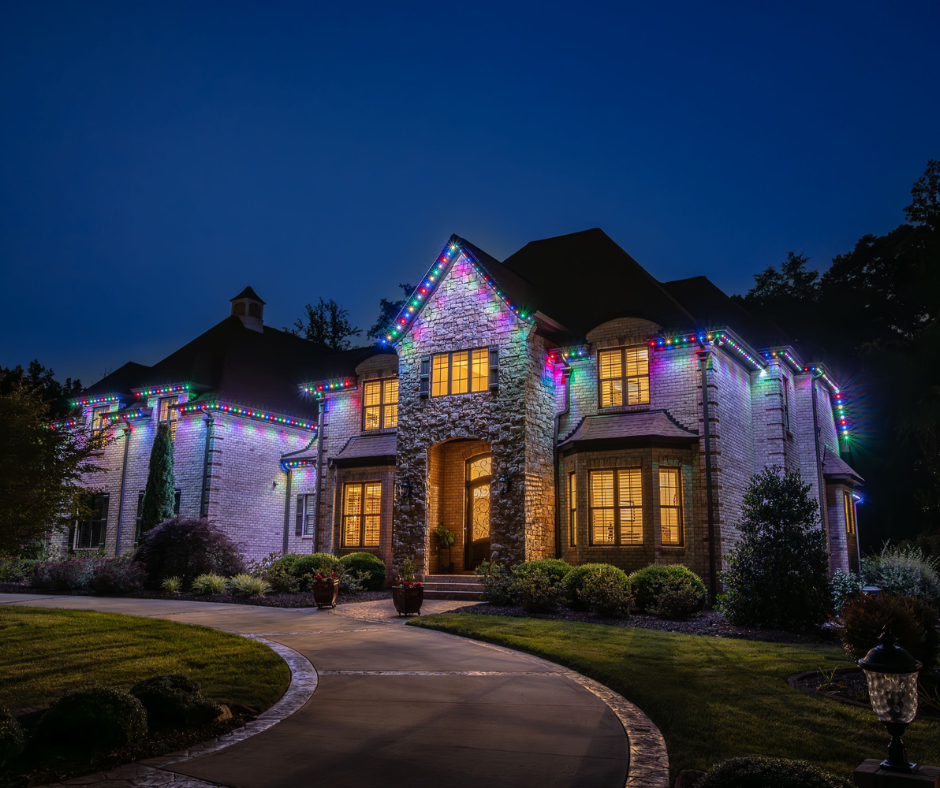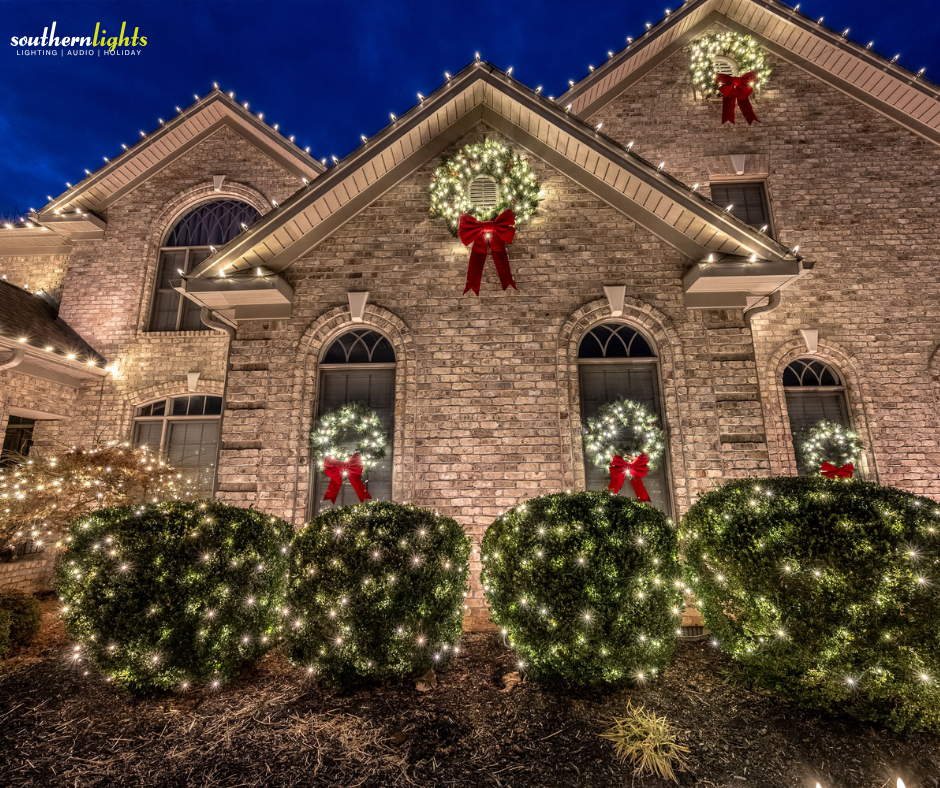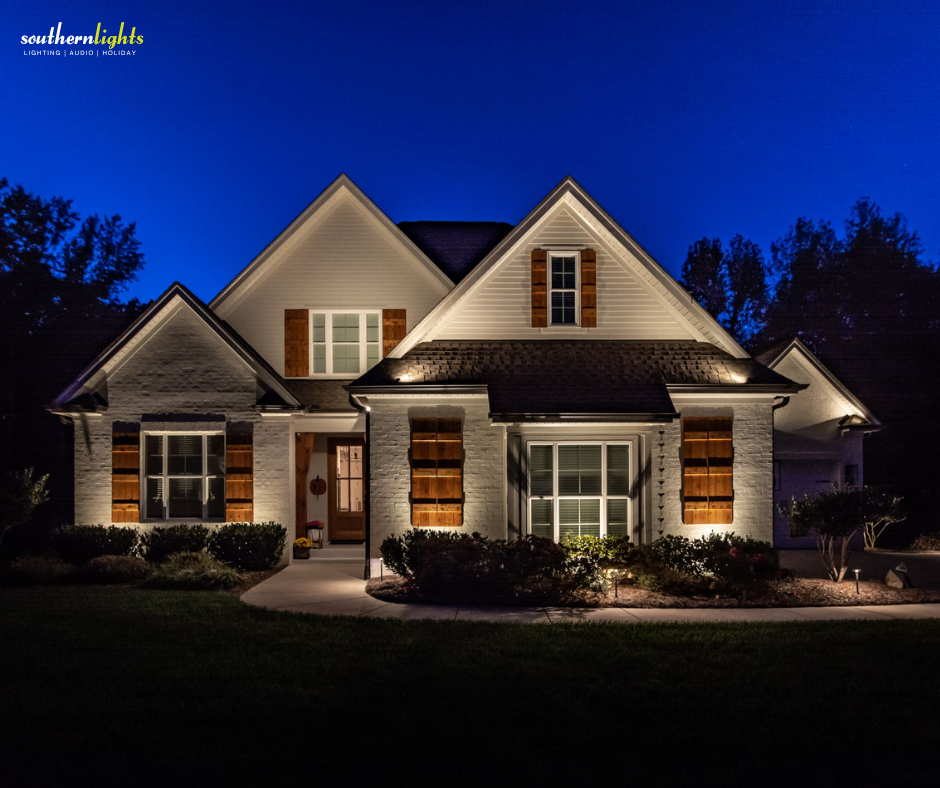
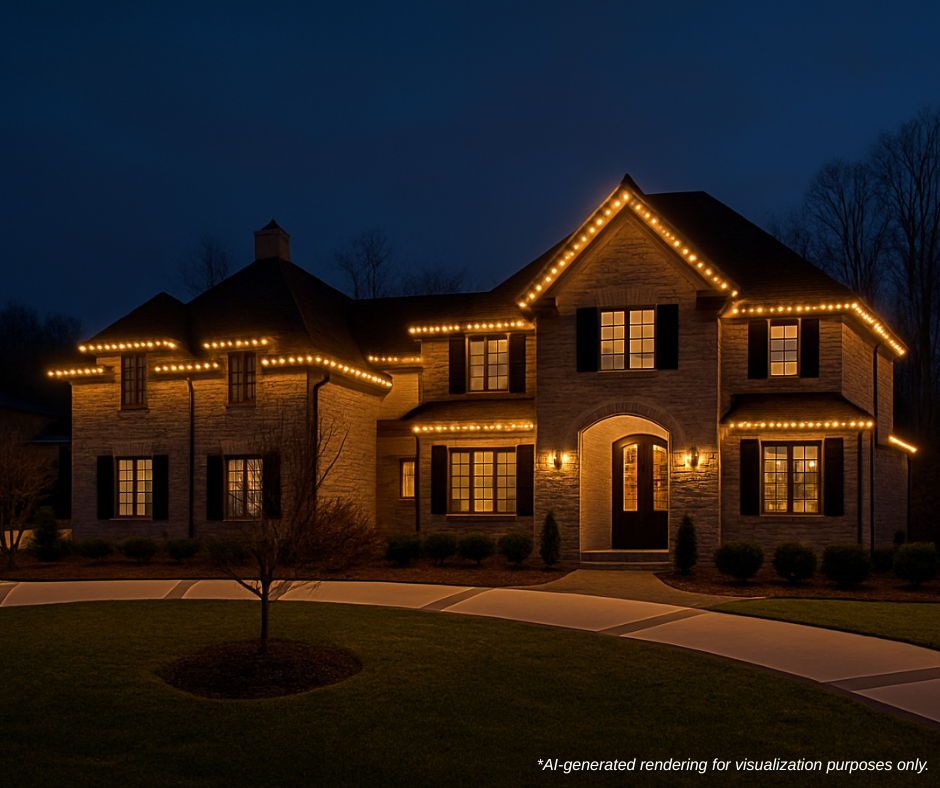
Home lighting upgrade 2026 is no longer just about replacing old fixtures. It’s about installing lighting the right way from the start.
Many homeowners start with an outdoor lighting upgrade because it makes the biggest visual impact quickly.
When done correctly, it supports safer movement, cleaner visibility, and a more refined look after sunset.
In 2026, better lighting is also part of how modern homes reflect lifestyle and design choices.
As exterior lighting becomes more design-focused and technology-driven, proper installation now plays a critical role in performance, durability, and long-term reliability.
Even the best lighting design can fall short without expert execution, and modern upgrades are judged by how seamlessly lighting integrates with the home.
This shift reflects how dramatically home lighting expectations have changed in recent years.
What once felt adequate now often feels outdated, inefficient, or visually flat.
Homeowners now expect lighting to enhance design, support daily routines, and give homes a finished presence after dark.
Many homeowners don’t realize their lighting is holding their home back. The signs often appear gradually.
A house that fades into the background at night. Outdoor spaces that sit unused. Fixtures that no longer align with the home’s style.
If several of the signs below feel familiar, it may be time to take a closer look at your lighting.
Why Many Homes Need a Lighting Refresh in 2026
Today, exterior lighting design is treated like an extension of the home’s architecture.
Lighting is planned to guide the eye, define key areas, and create balance across the property.
It is not just about adding fixtures. It is about creating a complete nighttime experience.
Your Home Looks Unfinished After Sunset
A home that feels complete during the day should not disappear at night. If your exterior loses definition after sunset, lighting is often the reason.
Rooflines, entryways, and architectural details fade into darkness. The home lacks presence once daylight is gone. This usually signals that lighting was never designed with nighttime appearance in mind.
Your Lighting Feels Visually Outdated
Exterior lighting styles change just like interior finishes and exterior materials. When lighting no longer matches the rest of the home, it becomes noticeable.
Older fixtures, uneven brightness, or harsh tones can make the home feel dated. Instead of enhancing the exterior, the lighting draws attention for the wrong reasons.
Outdoor Spaces Go Unused at Night
Outdoor areas should feel comfortable and inviting after dark. If patios or walkways are avoided in the evening, lighting is likely limiting how those spaces are used.
Poor illumination reduces visibility and atmosphere. Even well-designed outdoor spaces lose value when they are only usable during daylight hours.
Landscaping Disappears After Dark
Landscaping is meant to add depth and character to a property. Without lighting, those details vanish as soon as the sun sets.
Trees, stone features, and plantings blend into the background. This often means a significant investment goes unseen for half the day.
A landscape lighting upgrade makes outdoor features visible without overpowering the yard.
It helps trees, pathways, and planting areas feel intentional after dark. It also helps the exterior look layered instead of flat.
Your Lighting Is Not Energy Efficient
Lighting that consumes more energy than necessary often goes unnoticed until costs rise. Older systems rarely operate efficiently by today’s standards.
Modern systems are built around energy-efficient LED lighting that delivers consistent brightness with lower usage.
This makes it easier to keep lighting on when needed without feeling wasteful. Efficiency and performance now go together.
Lights may stay on longer than needed or rely on outdated components. In 2026, inefficient lighting is a clear sign that an upgrade is overdue.
You Have Limited Control Over Your Lighting
Lighting should adapt to your routine, not restrict it. When adjusting lighting feels inconvenient, it often stays unchanged.
In 2026, smart outdoor lighting is becoming the standard for homeowners who want control without daily effort.
Schedules, zones, and quick adjustments help lighting match how the home is used. This makes exterior lighting feel easier to live with.
Manual switches and fixed settings limit flexibility. Modern lighting systems are designed to respond easily to schedules, seasons, and daily use.
Nighttime Curb Appeal Is Inconsistent
First impressions do not stop at sunset. If your home looks welcoming during the day but dull at night, lighting is creating the gap.
Uneven illumination and poorly defined entry points reduce visual flow. A consistent nighttime appearance requires intentional lighting placement.
In many neighborhoods, curb appeal lighting is what makes a home feel finished at night.
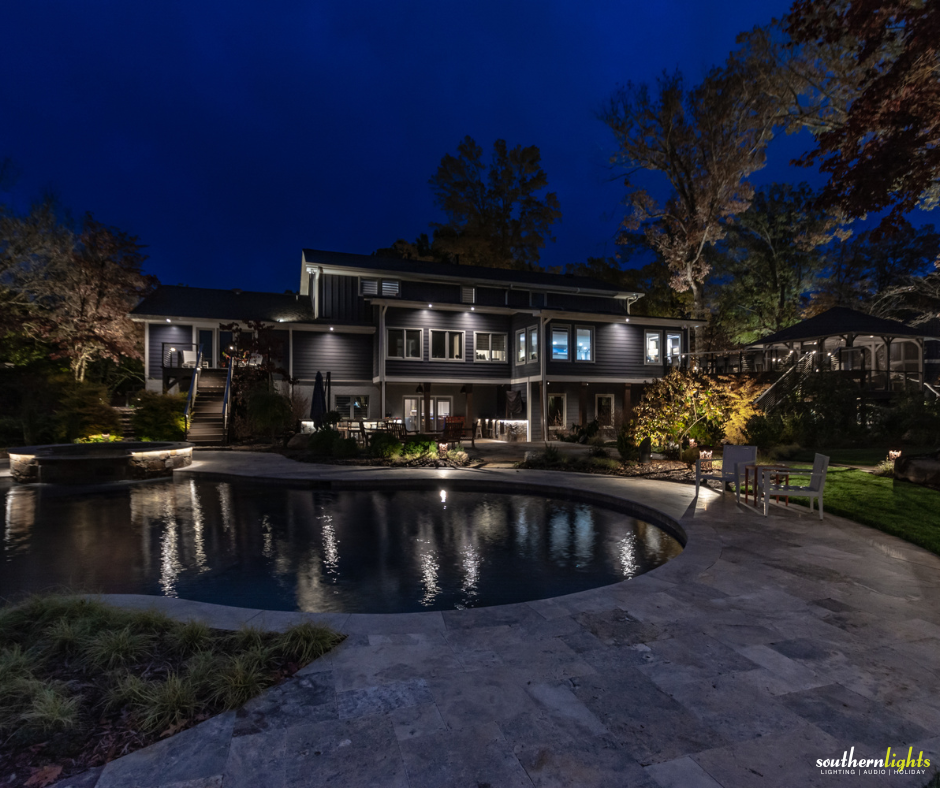
It creates a strong first impression without relying on glare or harsh hotspots. The goal is a clean, welcoming look that stays consistent.
Lighting Does Not Match the Home’s Architecture
Every home has lines, proportions, and focal points. When lighting ignores those features, the exterior feels unbalanced.
Fixtures may feel randomly placed or overpower certain areas. This usually happens when lighting is added without an overall design plan.
An architectural lighting upgrade focuses on structure first. It highlights lines, symmetry, and focal points in a way that feels natural.
When lighting follows the architecture, the exterior looks more refined automatically.
Lighting Was Added in Pieces Over Time
Many homes end up with lighting installed in stages rather than as a complete system. Over time, this creates inconsistency.
Different tones, brightness levels, and styles clash visually. The result feels scattered instead of cohesive.
Your Home Feels Behind Current Lighting Expectations
Homeowners today expect lighting to feel seamless and intentional. When a home feels behind modern standards, lighting is often the missing element.
Trends now favor subtle, integrated systems that enhance design without drawing attention to the fixtures themselves. Falling behind these expectations can impact both enjoyment and perception.
What a Modern Home Lighting Upgrade Includes in 2026
A home lighting upgrade in 2026 goes far beyond swapping fixtures or adding brightness.
Today’s upgrades are built around design, performance, and longevity. Lighting is planned as a system, not a collection of individual elements.
A well-planned upgrade typically starts with professional lighting design.
This step helps determine placement, spacing, and lighting layers before anything is installed. It prevents mismatch and ensures the final look feels cohesive.
Modern upgrades begin with understanding how the home is used after dark.
Entry points, pathways, architectural features, and outdoor living areas are evaluated together. This ensures the lighting supports movement, visibility, and atmosphere without overwhelming the space.
Technology also plays a larger role. Lighting systems are expected to operate efficiently, respond to schedules, and remain consistent throughout the year.
A true upgrade balances aesthetics with functionality, creating a result that feels intentional rather than added on.
Layered Lighting Design Instead of Single Light Sources
Modern lighting upgrades rely on layering rather than relying on one type of fixture. This approach creates depth and visual balance across the property.
Architectural lighting highlights the structure of the home. Landscape lighting adds texture and dimension.
Ambient lighting supports visibility and comfort. When these layers work together, the home feels cohesive after dark instead of uneven or harsh.
Layered lighting also prevents overuse of brightness. Instead of flooding areas with light, it guides the eye naturally and creates a refined nighttime appearance.
Low-Profile Fixtures That Blend Into the Home
In 2026, lighting fixtures are designed to be discreet. During the day, they should blend into rooflines, trim, and landscaping rather than stand out.
Low-profile fixtures reduce visual clutter and preserve the home’s exterior design. At night, the focus is on the effect of the light, not the hardware producing it.
This shift supports a cleaner, more modern aesthetic and ensures the lighting remains visually relevant as the home evolves.
Systems Designed for Long-Term Performance
Modern lighting upgrades prioritize durability and consistency. Fixtures, wiring, and placement are selected to perform reliably across seasons.
Rather than temporary solutions, upgrades focus on systems that stay in place and function year after year.
This reduces the need for frequent adjustments or replacements and protects the homeowner’s investment.
Long-term performance is one of the key factors separating true lighting upgrades from short-term fixes.
How Better Lighting Changes Everyday Living
Lighting affects more than appearance. It influences how homeowners interact with their space on a daily basis. A well-planned upgrade improves comfort, usability, and peace of mind.
When lighting works properly, it becomes part of the background. Homeowners stop thinking about it because it supports their routine naturally.
More Comfortable Outdoor Use After Dark
One of the most noticeable changes after a lighting upgrade is how often outdoor spaces are used. Patios, walkways, and entry areas feel more inviting and functional.
Instead of avoiding outdoor areas at night, homeowners begin using them regularly. Even simple activities feel easier when lighting is balanced and consistent.
This extends the usable space of the home without renovation.
A Stronger Sense of Arrival at Night
Coming home after dark should feel welcoming, not uncertain. Lighting upgrades improve how entry points are defined and experienced.
Soft, intentional illumination creates a sense of arrival. The home feels occupied and cared for rather than dim or overlooked.
This small change has a significant impact on daily comfort.
Reduced Effort Managing Exterior Lighting
Modern lighting systems are designed to work automatically. Schedules, consistency, and reliability reduce the need for manual adjustments.
Homeowners spend less time managing lighting and more time enjoying the results. This convenience becomes especially valuable during busy routines or seasonal changes.
Lighting becomes dependable instead of demanding attention.
Common Lighting Mistakes Homeowners Make Before Upgrading
Many homeowners attempt to improve lighting before committing to a full upgrade. These efforts often highlight the need for professional planning rather than solving the problem.
Understanding these common mistakes helps explain why a comprehensive upgrade delivers better results.
Adding Fixtures Without a Unified Plan
One of the most common issues is adding lights one at a time without an overall strategy. While each addition may solve a small issue, the result often feels inconsistent.
Different brightness levels, angles, and styles clash visually. Without a plan, lighting lacks cohesion and balance.
A proper upgrade addresses the entire property at once.
Overlighting Instead of Designing
Brightness alone does not equal better lighting. Overlighting creates glare, harsh shadows, and visual fatigue.
Design-focused upgrades prioritize placement and layering rather than intensity. This creates a more comfortable and visually appealing result.
Lighting should enhance the home, not overpower it.
Ignoring the Home’s Architecture
Lighting that doesn’t respect architectural lines often feels misplaced. Rooflines, symmetry, and focal points should guide placement.
When architecture is ignored, lighting appears random. A professional upgrade ensures lighting works with the structure rather than against it.
Why Professional Installation Is Part of a True Upgrade in 2026
A lighting upgrade is only as good as its installation. Even the best design can fall short if execution is poor.
Professional installation ensures spacing, alignment, and wiring are handled correctly. Fixtures remain secure. Connections are protected. Performance stays consistent.
This level of precision is what allows lighting to feel permanent, reliable, and intentional rather than temporary.
Lighting systems today are more advanced than ever. They involve careful placement, balanced spacing, and reliable connections that support long-term performance.
In 2026, homeowners expect lighting to work consistently without constant adjustments or maintenance.
Professional installation ensures fixtures are aligned correctly, wiring is protected, and lighting zones function as intended.
It also prevents common issues such as uneven brightness, glare, or exposed components.
When lighting is installed with precision, the entire system feels intentional and polished rather than added as an afterthought.
This approach reflects broader outdoor lighting trends 2026, where homeowners want systems that look seamless and perform reliably.
The expectation is consistent lighting with minimal visual clutter. Installation quality is part of that standard.
This level of installation quality is what separates a true lighting upgrade from a simple fixture replacement.
How Proper Installation Protects Your Lighting Investment
A lighting upgrade is an investment in how your home looks and functions after dark. Without proper installation, that investment can lose value over time.
Correct installation helps lighting systems withstand weather conditions, maintain consistent performance, and age gracefully alongside the home.
Fixtures remain secure. Connections stay reliable. The lighting continues to look balanced and refined year after year.
In 2026, homeowners are prioritizing solutions that last.
Professional lighting installation supports that goal by ensuring the system performs exactly as designed and delivers long-term value.
Conclusion
Lighting plays a larger role in how homes are experienced than most people realize. In 2026, expectations are higher. Homes should look refined after dark, not overlooked.
If your lighting feels dated, inefficient, or disconnected, it may be time for an upgrade. The right lighting enhances design, supports daily life, and elevates curb appeal.
A thoughtful lighting upgrade doesn’t just change how a home looks. It changes how it feels.
Ready to see what your home could look like after dark?
A professional lighting upgrade can transform how your home feels every evening. If you’re considering updating your exterior lighting in 2026, Southern Lights Outdoor Lighting & Audio can help you create a design that fits your home and lifestyle.
👉 Schedule a consultation today and take the first step toward a more intentional lighting experience.
Frequently Asked Questions
Is a lighting upgrade only about appearance?
No. While appearance is important, lighting upgrades also improve usability, comfort, and nighttime visibility. Modern systems are designed to support daily routines while enhancing design. A well-planned upgrade balances function with aesthetics.
How do I know if my lighting system is outdated?
If fixtures feel mismatched, lighting is harsh or uneven, or control options are limited, the system is likely outdated. Many older systems lack efficiency and flexibility. These signs often indicate it’s time for an upgrade.
Can new lighting work with my existing landscaping?
Yes. Professional lighting design complements existing landscaping rather than replacing it. Lighting enhances depth and structure without overpowering natural features. The goal is cohesion, not competition.
Will a lighting upgrade increase home value?
Quality exterior lighting improves curb appeal and overall perception. Homes that look intentional after dark often feel more complete. While results vary, lighting is widely seen as a valuable exterior improvement.
Is modern lighting difficult to maintain?
Most modern systems are designed for long-term use with minimal maintenance. Durable materials and efficient components reduce the need for frequent replacements. Proper installation further improves reliability.
Can lighting be adjusted for different seasons?
Yes. Many systems allow adjustments in brightness, timing, and tone. This flexibility helps lighting stay appropriate year-round without physical changes.
Does professional design really make a difference?
Yes. Design ensures lighting placement, spacing, and balance work together. Without planning, lighting often feels random. Professional design creates a cohesive nighttime experience.
How long does a lighting upgrade typically take?
Project timelines vary by property size and scope. Most upgrades are completed efficiently with minimal disruption. Planning and preparation help ensure a smooth process.