LED upgrade myths continue to hold homeowners and businesses back in 2026 even as lighting technology has advanced faster than almost any other building system.
Many property owners still rely on outdated assumptions about cost, performance, brightness, and reliability, often based on early LED products that no longer reflect today’s capabilities.
Modern LED lighting upgrades are more efficient, customizable, and intelligent than ever before.
From residential properties to large commercial facilities, LEDs now deliver measurable energy savings, improved lighting quality, and long-term operational benefits.
Yet misconceptions persist, delaying upgrades and increasing ongoing energy and maintenance costs.
In this article, we’ll break down the most common LED lighting myths still circulating in 2026 and explain why homeowners and businesses should confidently move forward with professionally designed LED upgrades.
Why LED Upgrade Myths Still Exist in 2026
Many LED lighting myths stem from experiences with early-generation LED products.
Years ago, LEDs were expensive, limited in color quality, and not always compatible with existing fixtures.
LED lighting technology in 2026 has improved dramatically in brightness control, color consistency, driver reliability, and smart automation compatibility.
That’s why many long-standing myths about poor appearance, low brightness, or short lifespan no longer reflect modern LED systems.
The right system design now makes the difference between a basic upgrade and a high-performance lighting solution.
While those concerns may have been valid in the past, LED lighting technology has evolved significantly.
Today’s energy-efficient LED lighting systems are engineered for superior performance, extended lifespan, and advanced control.
Professional LED lighting specialists now approach upgrades as complete systems, not simple bulb replacements, ensuring proper brightness, balance, and long-term reliability across the property.
LED Upgrades Are Too Expensive Upfront
One of the most persistent LED upgrade myths is that the upfront cost outweighs the benefits.
While LEDs may still cost more initially than traditional lighting, the total cost of ownership tells a very different story.
LED lighting upgrades significantly reduce energy consumption, maintenance expenses, and replacement frequency.
For both residential LED lighting upgrades and commercial LED upgrades, most systems begin paying for themselves within a few years often sooner when utility incentives and reduced operating costs are factored in.
LED lighting cost savings typically appear faster than many property owners expect because lower energy use is paired with fewer replacements and minimal ongoing maintenance.
When the focus shifts from purchase price to long-term performance, the return on investment becomes clear for both homes and commercial properties.
LEDs Don’t Look as Good as Traditional Lighting
Many homeowners worry LEDs produce harsh or unnatural light. In 2026, this myth is entirely outdated.
Modern LEDs offer advanced color rendering, adjustable color temperatures, and precise beam control.
Professional lighting designers now tailor LED lighting to match architectural features, landscapes, and interior spaces.
Whether warm ambient lighting or crisp task lighting is required, LED systems can be customized to enhance visual comfort and aesthetics.
LED Lighting Isn’t Bright Enough
Brightness is no longer a limitation of LED technology.
Today’s LEDs deliver higher lumen output using significantly less energy than incandescent or fluorescent options.
Understanding lumens not watts is key. LED lighting installation professionals help you design systems based on light distribution, fixture placement, and application needs, ensuring spaces are evenly and effectively illuminated.
LED Retrofits Require Complete Electrical Rewiring
Another common LED retrofit misconception is that upgrading requires tearing out existing electrical infrastructure.
These misconceptions often come from older lighting systems where compatibility was limited and fixture options were fewer.
In 2026, most LED retrofits are designed to work with existing wiring and fixtures when properly evaluated by professionals.
A professional assessment determines system compatibility, electrical load requirements, and appropriate fixture options.
In many cases, LED lighting upgrades can be completed with minimal disruption while still delivering significant performance improvements, energy efficiency, and long-term reliability.
LED Lighting Doesn’t Last as Long as Promised
Some skeptics believe LED lifespan claims are exaggerated.
While lifespan ratings depend on operating conditions, high-quality LED systems installed correctly routinely outperform traditional lighting.
Proper heat management, quality drivers, and professional installation are critical.
When paired with ongoing maintenance, LEDs deliver long-term reliability far beyond older lighting technologies.
LEDs Are Only for Commercial Properties
LED lighting is no longer limited to warehouses or office buildings.
Residential LED lighting upgrades are now common for homes, estates, and outdoor environments.
From landscape lighting to architectural accents and smart home integration, LEDs enhance comfort, safety, and property value.
Homeowners increasingly adopt LEDs for both indoor and outdoor applications.
LED Upgrades Don’t Deliver Real Energy Savings
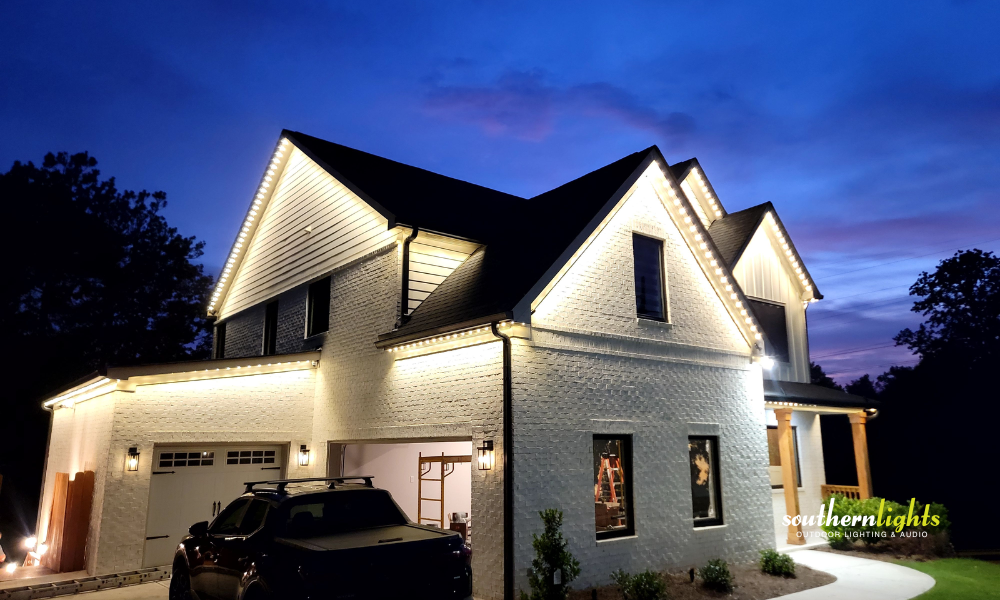
Energy savings are one of the strongest arguments against LED lighting myths.
LEDs consume significantly less power and generate less heat, reducing both lighting and HVAC costs.
For businesses, commercial LED upgrades often produce measurable reductions in monthly operating expenses.
For homeowners, energy-efficient LED lighting lowers utility bills while improving lighting performance.
LEDs Are Difficult to Control or Automate
In 2026, LED systems are among the easiest lighting technologies to control.
Smart LED lighting systems integrate with timers, sensors, mobile apps, and automation platforms.
Zoning, dimming, scheduling, and occupancy control allow lighting to adapt dynamically to how spaces are used—improving convenience, efficiency, and security.
LED Lighting Is Bad for Eyes or Health
Concerns about eye strain or blue light exposure are often based on misinformation.
Modern LEDs are designed to be flicker-free and can be tuned to appropriate color temperatures for different environments.
When specified and installed professionally, LED lighting supports visual comfort and can even align with circadian lighting principles in both residential and commercial spaces.
Any Electrician Can Handle an LED Upgrade
While electricians play an important role, LED upgrades require more than basic electrical knowledge.
Lighting design, photometric planning, load balancing, and control integration are essential for optimal results.
LED lighting installation professionals evaluate how light interacts with the space, ensuring uniform coverage, correct brightness, and long-term system reliability.
Why Professional LED Upgrades Matter More Than Ever in 2026
In 2026, LED upgrades are no longer about simply replacing bulbs, but they’re about designing intelligent, integrated lighting systems that perform reliably over time.
Modern LED upgrades require a system-level approach that goes far beyond basic fixture swaps, including:
- Proper fixture and driver selection to match the space and usage requirements
- Electrical load balancing to ensure consistent performance and avoid premature failures
- Photometric planning and light distribution for even, effective illumination
- Integration with smart controls and automation systems
Professional LED upgrade services ensure compatibility across fixtures, drivers, controls, and existing electrical infrastructure.
This comprehensive approach improves efficiency, reduces operational issues, and protects the long-term reliability of the lighting system.
By addressing design, installation, and future maintenance from the start, professional LED upgrades help:
- Prevent unexpected outages and performance issues
- Maximize energy efficiency and LED lighting cost savings
- Extend system lifespan and reduce maintenance needs
- Deliver a stronger return on investment for both homeowners and businesses
Conclusion
LED upgrade myths persist because technology has advanced faster than public perception.
In reality, modern LED lighting upgrades deliver superior performance, meaningful energy savings, and long-term reliability for both homes and businesses.
Upgrading to LED lighting is an investment, and making the right decisions from the start is critical to maximizing performance and cost efficiency over time.
Working with professionals who understand lighting design, system integration, and maintenance planning ensures your upgrade is properly designed, correctly installed, and optimized for your specific property rather than relying on one-size-fits-all solutions.
Take the next step with confidence
Southern Lights Outdoor Lighting & Audio provides expert LED lighting evaluations, customized upgrade solutions, and professional installation tailored to residential and commercial properties.
Schedule a consultation to understand your options, avoid costly mistakes, and unlock the full benefits of modern LED lighting.
Frequently Asked Questions
How long do modern LED lighting systems last?
High-quality LED systems typically last 50,000 hours or more when properly installed and maintained. Actual lifespan depends on factors such as fixture quality, heat management, and electrical balance. Professional installation helps maximize longevity and performance.
Do LED upgrades really reduce energy costs?
Yes, LED lighting uses significantly less electricity than traditional incandescent or fluorescent lighting while producing equal or better brightness. This reduction lowers monthly energy bills and can also reduce HVAC load by generating less heat.
Can LED lighting be customized for different spaces?
Absolutely, modern LED systems offer adjustable brightness, color temperature, and beam angles to suit different environments. Professional lighting design ensures LEDs enhance comfort, aesthetics, and functionality across indoor and outdoor spaces.
Are LED upgrades disruptive to install?
Most LED lighting upgrades can be completed with minimal disruption. Many systems are designed to work with existing wiring and fixtures, allowing professionals to upgrade lighting efficiently without major construction or downtime.
Do LED lighting systems require ongoing maintenance?
While LEDs require less maintenance than traditional lighting, they are not maintenance-free. Drivers, controls, and fixtures still need periodic inspection to ensure consistent performance and prevent unexpected issues over time.
Are LED upgrades suitable for both residential and commercial properties?
Yes, LED upgrades are widely used in homes, offices, retail spaces, outdoor landscapes, and large commercial facilities. The flexibility and efficiency of LED lighting make it ideal for virtually any application.
Is professional installation important for LED upgrades?
Yes, professional installation ensures proper electrical load balancing, fixture placement, and control integration. This prevents performance issues, extends system lifespan, and ensures the lighting meets safety and design standards.
Do smart controls work with LED lighting systems?
Yes, modern LED systems integrate seamlessly with smart controls such as timers, sensors, dimmers, and automation platforms. These features improve energy efficiency, convenience, and overall lighting performance.