
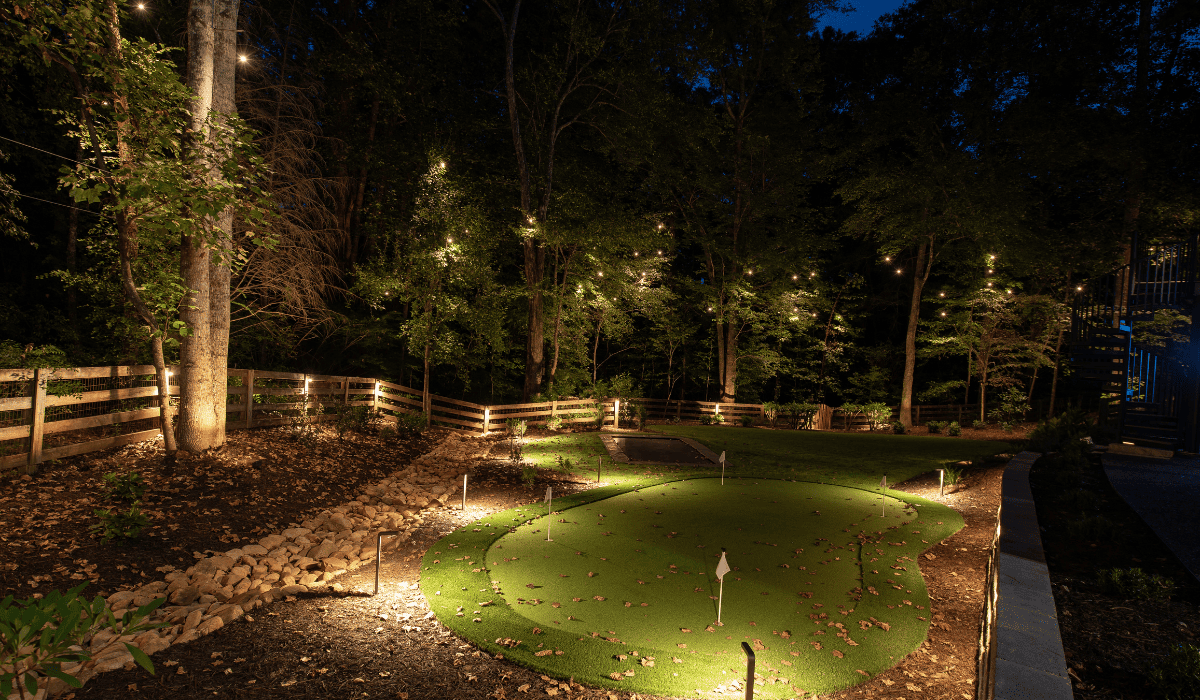
Landscape lighting maintenance is the single most important factor in keeping outdoor lighting systems reliable, safe, and visually effective over time.
While many property owners invest heavily in high-quality fixtures and professional installation, the long-term performance of any outdoor lighting system depends on consistent, professional maintenance.
Without it, even the best-designed systems can experience dimming, flickering, outages, and safety risks.
Outdoor environments are harsh on electrical systems. Moisture, soil movement, temperature fluctuations, and normal component aging slowly degrade performance.
When maintenance is overlooked, small issues compound into costly outdoor lighting system failures that often require extensive landscape lighting repair services.
This article explains why landscape lighting systems fail, what warning signs indicate problems, and how professional landscape lighting maintenance prevents these issues before they escalate.
Why Landscape Lighting Systems Fail Over Time
Environmental Exposure and Outdoor Conditions
Landscape lighting systems are installed in one of the most demanding environments possible.
Fixtures and wiring are constantly exposed to rain, irrigation runoff, humidity, insects, and soil conditions.
Over time, moisture intrusion affects connections, seals weaken, and corrosion begins to interfere with electrical flow.
These environmental factors are among the leading causes of outdoor lighting system failures.
Seasonal changes add further stress. Freeze-thaw cycles shift soil and misalign fixtures, while summer heat places additional load on transformers and wiring.
Without professional landscape lighting maintenance, these gradual changes go unnoticed until system performance is visibly compromised.
Electrical Wear in Low-Voltage Systems
Low-voltage lighting systems rely on balanced electrical flow.
As wiring ages, connections loosen, and corrosion develops, voltage becomes inconsistent across the system.
This imbalance leads to flickering lights, dim zones, and premature component failure.
Low voltage landscape lighting issues are rarely isolated problems.
They usually indicate system-wide electrical wear that requires professional evaluation through detailed landscape lighting system inspections.
Fixture Movement and Landscape Growth
Landscapes are dynamic. Plant growth, root expansion, erosion, and routine property changes all affect lighting alignment.
Fixtures that were once perfectly aimed may shift, reducing effectiveness or creating glare.
As time passes, these changes degrade both aesthetics and safety, especially when walkways, steps, or entrances are no longer properly illuminated.
Component Aging in LED Systems
LED technology significantly extends bulb life, but it does not eliminate maintenance needs. Transformers, drivers, sockets, gaskets, and wiring still age.
LED landscape lighting maintenance addresses lumen depreciation where lights gradually lose brightness and ensures supporting components continue operating efficiently.
Ignoring aging components leads to uneven lighting and unexpected system outages.
Warning Signs of Landscape Lighting System Failure
Flickering or Dimming Lights
Inconsistent brightness is often the first visible sign of trouble.
Flickering or dimming typically points to voltage irregularities, failing connections, or transformer stress.
These symptoms should never be ignored, as they often precede more serious failures requiring professional landscape lighting repair services.
Uneven Lighting Coverage
When certain areas appear darker than others, the issue is rarely the fixture alone.
Uneven lighting often results from wiring degradation, fixture misalignment, or electrical imbalance.
Professional landscape lighting maintenance restores uniform coverage and ensures design intent remains intact.
Lights Turning On or Off at Incorrect Times
Timer and photocell issues can cause lights to operate unpredictably.
Seasonal daylight changes and control component wear frequently affect automation systems.
Outdoor lighting maintenance services recalibrate controls to maintain reliable scheduling year-round.
Repeated Fixture or Bulb Failures
Frequent outages or non-working fixtures usually indicate deeper electrical issues.
Replacing components without addressing root causes leads to recurring problems and higher long-term costs.
Visible Corrosion or Physical Damage
Rust, cracked lenses, exposed wiring, and water inside fixtures are clear indicators that professional inspection is overdue.
These issues present both performance and safety risks if left unaddressed.
What Causes These Failures Behind the Scenes
Voltage Imbalance and Transformer Stress
As systems age, transformers may become overloaded or inefficient. Improper voltage distribution stresses fixtures and shortens component lifespan.
Professional landscape lighting maintenance includes electrical testing to identify and correct these imbalances before failure occurs.
Moisture Intrusion in Connections
Seals and wire connections degrade over time. Once moisture enters the system, corrosion spreads quickly, leading to intermittent operation and short circuits.
This type of damage is rarely visible from the surface, making professional landscape lighting system inspections essential.
Control System Degradation
Timers, photocells, and smart controls experience wear just like other electrical components.
Without recalibration and testing, they drift out of sync with environmental conditions, reducing system reliability.
Deferred Maintenance Compounding Damage
The most expensive outdoor lighting system failures often begin as minor issues.
Deferred maintenance allows small problems to escalate, increasing repair complexity and shortening overall system lifespan.
How Professional Landscape Lighting Maintenance Prevents Failure

Comprehensive System Inspections
Professional landscape lighting maintenance starts with a full system evaluation.
Technicians inspect wiring, fixtures, transformers, controls, and mounting stability.
These inspections identify hidden issues early and reduce the likelihood of major system breakdowns.
Precision Electrical Testing
Voltage readings are taken at multiple points to ensure consistent electrical flow.
Load calculations confirm transformers are operating within capacity.
This level of testing prevents low voltage landscape lighting issues that lead to flickering and outages.
Fixture Realignment and Performance Optimization
Professionals restore proper aiming and spacing, ensuring lighting continues to enhance architectural features, landscapes, and walkways.
This maintains both safety and aesthetic quality.
Proactive Component Replacement
Rather than waiting for failure, professional maintenance replaces aging components at the right time.
This proactive approach reduces emergency repairs and improves long-term reliability.
Seasonal Adjustments and Environmental Adaptation
Outdoor lighting maintenance services include seasonal recalibration of timers and controls, ensuring lights operate correctly as daylight hours change and weather conditions shift.
The Value of Ongoing Landscape Lighting Maintenance Plans
Landscape lighting maintenance plans provide consistent care and predictable performance.
Instead of reacting to failures, outdoor lighting service plans prevent them.
Benefits include reduced repair costs, extended system lifespan, improved safety, and priority service when needed.
For residential estates, HOAs, and commercial properties, maintenance plans protect both investment and visual appeal year-round.
👉 Schedule a professional landscape lighting inspection today to prevent costly failures and protect your outdoor lighting investment.
Why Professional Maintenance Protects Safety and Property Value
Well-maintained lighting improves nighttime visibility, reduces trip hazards, and enhances security.
Poorly maintained systems create dark zones, electrical risks, and diminished curb appeal.
Professional landscape lighting maintenance ensures outdoor lighting continues to function as both a safety system and a design feature, preserving property value and long-term usability.
👉 Partner with a professional outdoor lighting maintenance provider to keep your property safe, attractive, and well-lit year-round.
Conclusion
Landscape lighting maintenance is not optional—it is essential for system longevity, safety, and performance.
Outdoor lighting systems fail due to environmental exposure, electrical wear, component aging, and deferred care.
Professional landscape lighting maintenance services prevent these failures through inspections, electrical testing, proactive repairs, and ongoing optimization.
With proper maintenance, outdoor lighting remains reliable, efficient, and visually impactful for years to come.
👉 Don’t wait for failures to occur, you can schedule professional landscape lighting maintenance and keep your system performing at its best.
Frequently Asked Questions (FAQs)
How often should landscape lighting maintenance be performed?
Most systems benefit from professional landscape lighting maintenance at least once per year. Annual inspections identify electrical wear, moisture intrusion, and aging components before performance declines. Properties with higher exposure or complex designs often benefit from seasonal service.
What causes most outdoor lighting system failures?
Outdoor lighting system failures are most often caused by moisture intrusion, voltage imbalance, aging components, and lack of routine inspections. These problems typically develop slowly and worsen over time without professional maintenance.
Are LED landscape lighting systems maintenance-free?
No. While LEDs last longer than traditional bulbs, transformers, wiring, controls, and seals still degrade. Regular LED landscape lighting maintenance ensures consistent brightness and dependable system operation.
Why do landscape lights flicker or dim over time?
Flickering or dimming usually results from voltage irregularities, loose connections, or transformer stress. Professional testing is required to accurately diagnose and correct these issues.
Can professional maintenance reduce repair costs?
Yes, preventive outdoor lighting maintenance services reduce emergency repairs by addressing small issues early, extending component lifespan and lowering long-term costs.
What is included in a professional landscape lighting inspection?
A professional inspection includes voltage testing, fixture evaluation, wiring assessment, control calibration, and overall system performance analysis.
Do landscape lighting systems require seasonal adjustments?
Yes, changes in daylight hours, temperature, and landscape growth affect performance. Professional maintenance ensures timers, photocells, and fixtures remain properly adjusted.
Is professional maintenance necessary for low-voltage lighting systems?
Low voltage landscape lighting issues often involve hidden electrical imbalances that require professional expertise and tools to resolve safely.
How does maintenance improve the appearance of outdoor lighting?
Professional maintenance restores brightness, alignment, and coverage, ensuring lighting continues to highlight architectural features, pathways, and landscapes as originally designed.