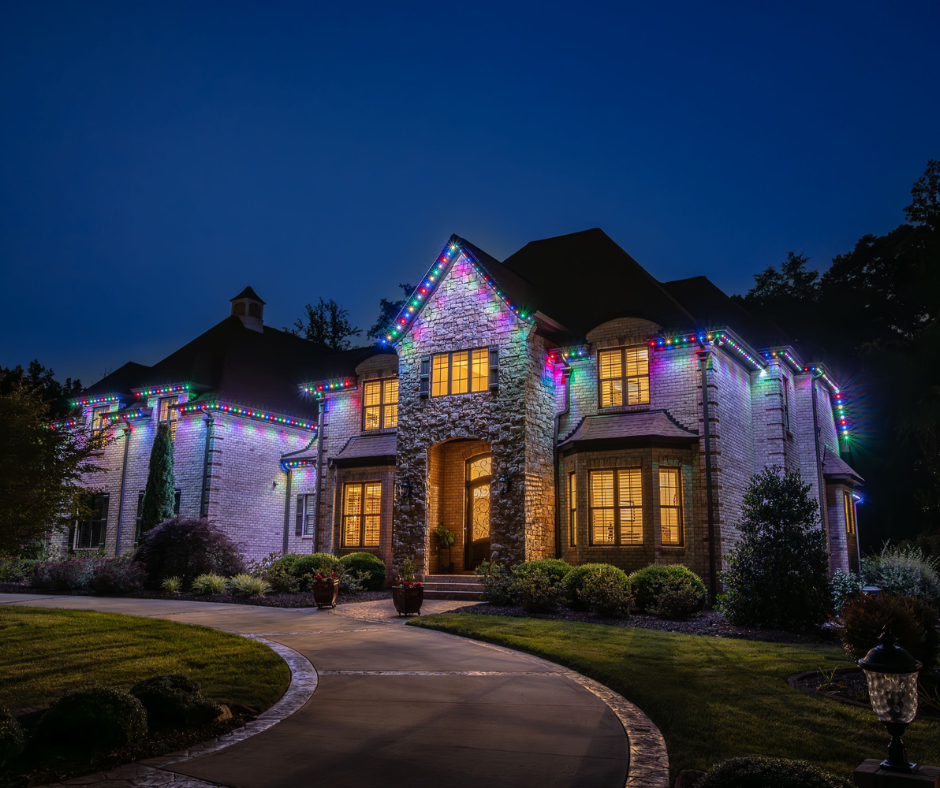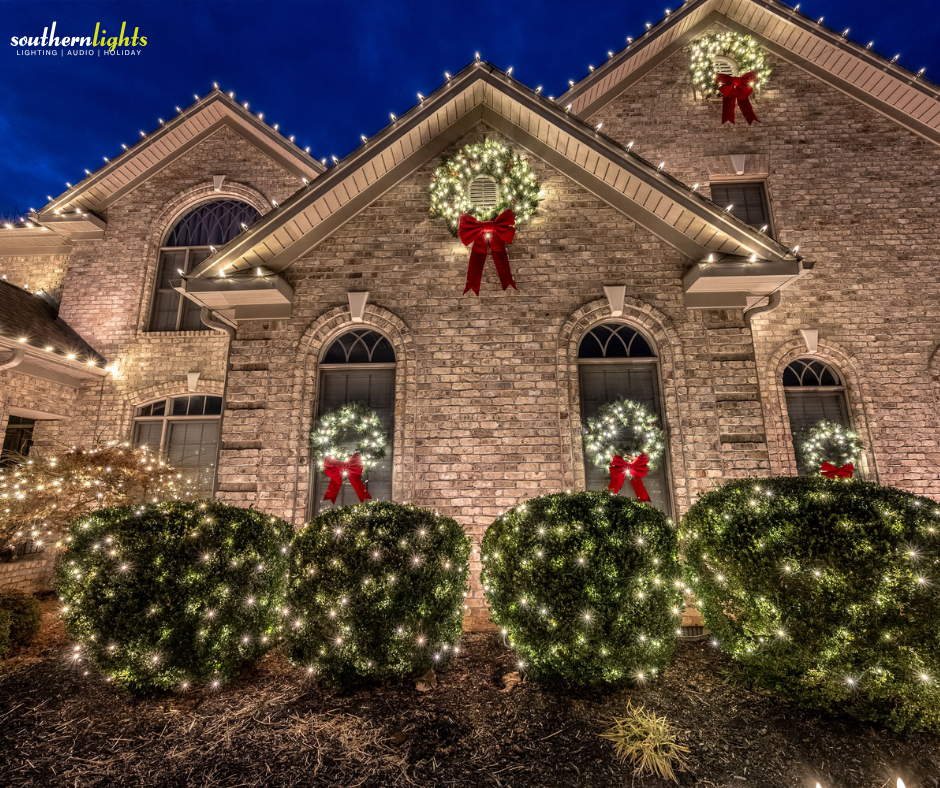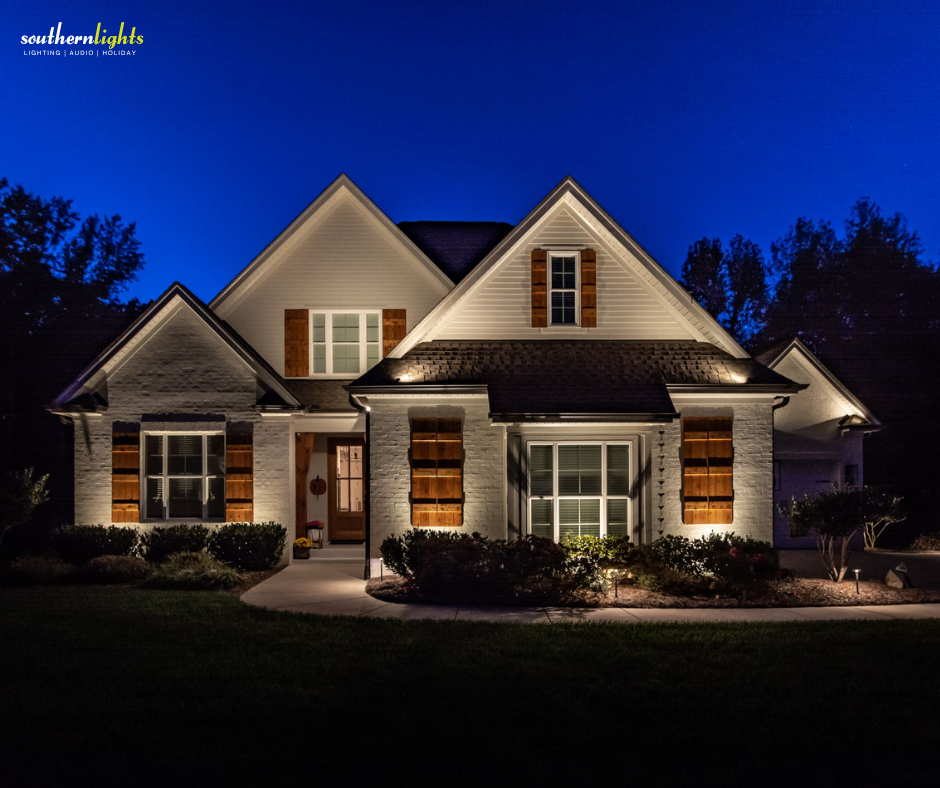
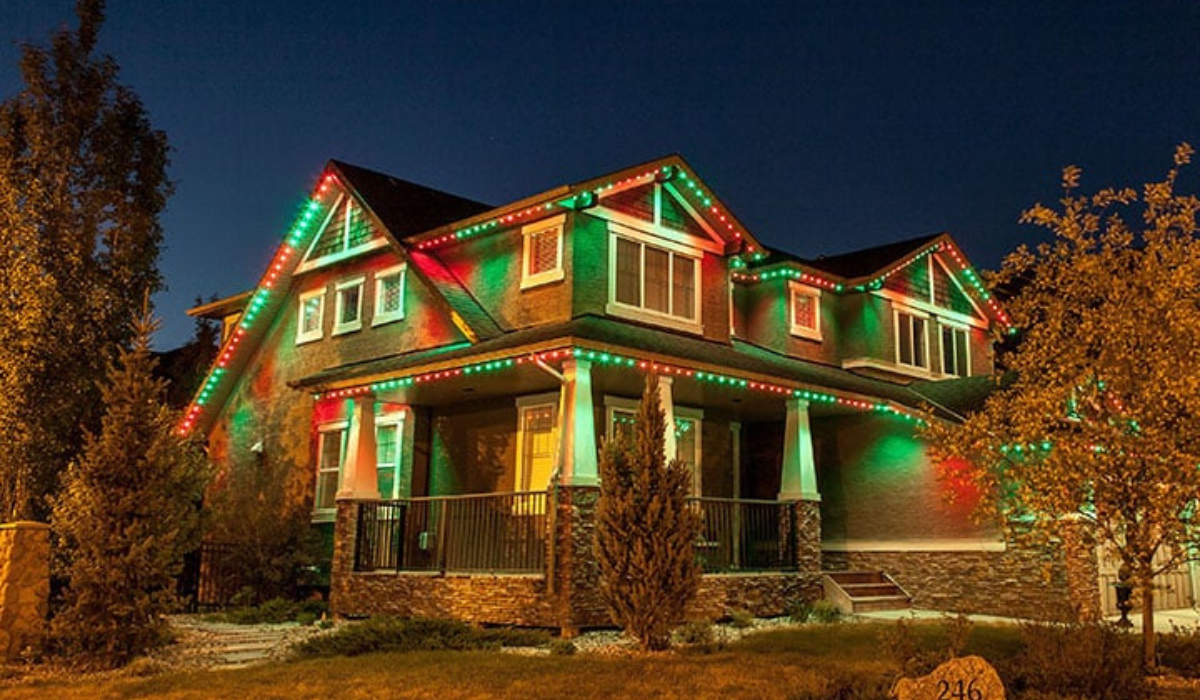
Outdoor lighting installation in NC plays a critical role in how homeowners experience, protect, and showcase their outdoor spaces.
In North Carolina, where outdoor living is part of everyday life, outdoor lighting is no longer just a visual upgrade.
It’s a functional, safety-driven, and value-enhancing investment for patios and pools, front yards to walkways.
However, installing outdoor lighting without proper planning often leads to uneven coverage, glare, premature fixture failure, or even electrical issues.
Before moving forward, homeowners should understand the most important factors that influence performance, longevity, and overall results.
Below are 8 essential outdoor lighting factors in North Carolina that homeowners should consider before installing outdoor lighting, along with why professional design and installation make a measurable difference.
What to Consider Before Installing Outdoor Lighting in North Carolina
Define the Purpose of Your Outdoor Lighting
Before choosing fixtures or layouts, the first step is understanding why you want outdoor lighting.
Every successful outdoor lighting design starts with a clear purpose.
Some homeowners want to improve safety by illuminating walkways, steps, and driveways.
Others want to enhance curb appeal, highlight architectural features, or create ambiance for patios and backyard entertaining. Many homes require a combination of all three.
Effective outdoor lighting design for North Carolina homes requires a balance of safety, aesthetics, and usability based on how each space is used after dark.
In North Carolina, where properties range from wooded lots to coastal landscapes, defining lighting goals ensures each area receives the right type and intensity of light.
Outdoor lighting installation in NC should always be planned around how you use your space, not just how it looks during the day.
A professional lighting designer evaluates how light will function after sunset, helping you avoid over-lighting or dark zones.
Evaluate Your Property Layout and Landscape Features
Every property has unique characteristics that directly affect outdoor lighting design.
Trees, elevation changes, hardscapes, water features, and architectural elements all influence how light behaves at night.
For example, uplighting mature trees can create depth and drama, while poorly placed fixtures may cause glare or harsh shadows.
Sloped yards require different spacing and beam angles than flat landscapes, and patios surrounded by landscaping benefit from layered lighting rather than a single bright source.
These are the landscape lighting considerations that NC homeowners face, including soil type, drainage, plant growth, and grading directly impacting fixture placement and long-term performance.
A properly planned outdoor lighting layout in NC properties benefits from ensuring even coverage across walkways, patios, landscapes, and architectural features.
Professional outdoor lighting installation accounts for both current conditions and future landscape growth, something DIY installations often overlook.
Choose the Right Fixtures, Bulbs, and Light Output
Not all outdoor lighting fixtures are created equal. Selecting the wrong type can compromise performance, durability, and visual appeal.
Key fixture options include path lights, spotlights, floodlights, wall lights, step lights, and accent lights.
Each serves a specific purpose, and mixing them correctly creates balance and depth.
LED outdoor lighting and energy efficiency have become the industry standard due to reduced power consumption, long lifespan, and consistent color temperature.
Choosing the right brightness (lumens) and warmth (Kelvin rating) is equally important. Too much brightness washes out landscaping, while lighting that’s too dim fails to provide safety.
Outdoor lighting design in North Carolina allows homeowners to invest in fixtures that are rated for humidity, rain, and seasonal temperature changes.
Coastal and high-moisture areas demand corrosion-resistant materials for long-term reliability.
Plan Power Sources, Wiring, and Electrical Safety
One of the most critical and most commonly underestimated factors in outdoor lighting installation is electrical planning.
Low-voltage systems are popular for residential outdoor lighting because they are safer and more flexible.
However, improper transformer sizing, voltage drop, or poor wiring connections can result in flickering lights or premature failure.
Safe outdoor lighting installation requires proper burial depth, waterproof connections, voltage control, and protection from lawn equipment or landscaping activity.
North Carolina electrical codes must also be followed to ensure safety and compliance.
Professional installers understand how to distribute power evenly across your system, prevent overloads, and design wiring layouts that are reliable and discreet.
Understand Local Codes, Permits, and HOA Guidelines
Outdoor lighting installation in NC may be subject to local regulations, zoning requirements, or HOA restrictions depending on your municipality or neighborhood.
Some areas regulate brightness levels, fixture placement, or light spill to prevent light pollution and protect neighboring properties.
HOAs often have design guidelines that limit fixture styles or visibility from the street.
In North Carolina, there are codes and permits for outdoor lighting that are needed to follow for fixture placement, brightness levels, and electrical safety.
Failing to comply with these rules can result in fines, forced removal, or costly redesigns.
Working with a professional outdoor lighting company ensures your system meets all applicable requirements from the start.
Balance Aesthetics, Ambiance, and Architectural Style
Great outdoor lighting should feel intentional, not overpowering.
The goal is to enhance your home’s architecture and landscape without drawing attention to the fixtures themselves.
Layered lighting is essential. This includes ambient lighting for general visibility, task lighting for functional areas, and accent lighting to highlight focal points.
When done correctly, your property feels inviting and refined rather than overly bright.
Homeowners should choose top outdoor lighting design in North Carolina to complement the home’s architectural style, whether traditional, modern, or coastal.
Fixture finishes, beam angles, and color temperature all play a role in visual harmony.
Professionally designed systems create depth and elegance that DIY setups rarely achieve.
Consider Maintenance, Durability, and Long-Term Cost
Outdoor lighting is a long-term investment. Choosing low-quality fixtures may save money upfront but often leads to higher costs due to replacements, repairs, and inefficiency.
Durable, weather-rated fixtures last longer and maintain performance through North Carolina’s seasonal weather changes.
LED systems reduce energy consumption and require fewer bulb replacements over time.
Professional outdoor lighting installation also includes proper fixture placement and secure mounting, reducing the need for frequent adjustments.
Many homeowners underestimate maintenance needs until problems arise.
A professionally installed system delivers better value, lower operating costs, and consistent performance year after year.
DIY vs. Professional Outdoor Lighting Installation in NC
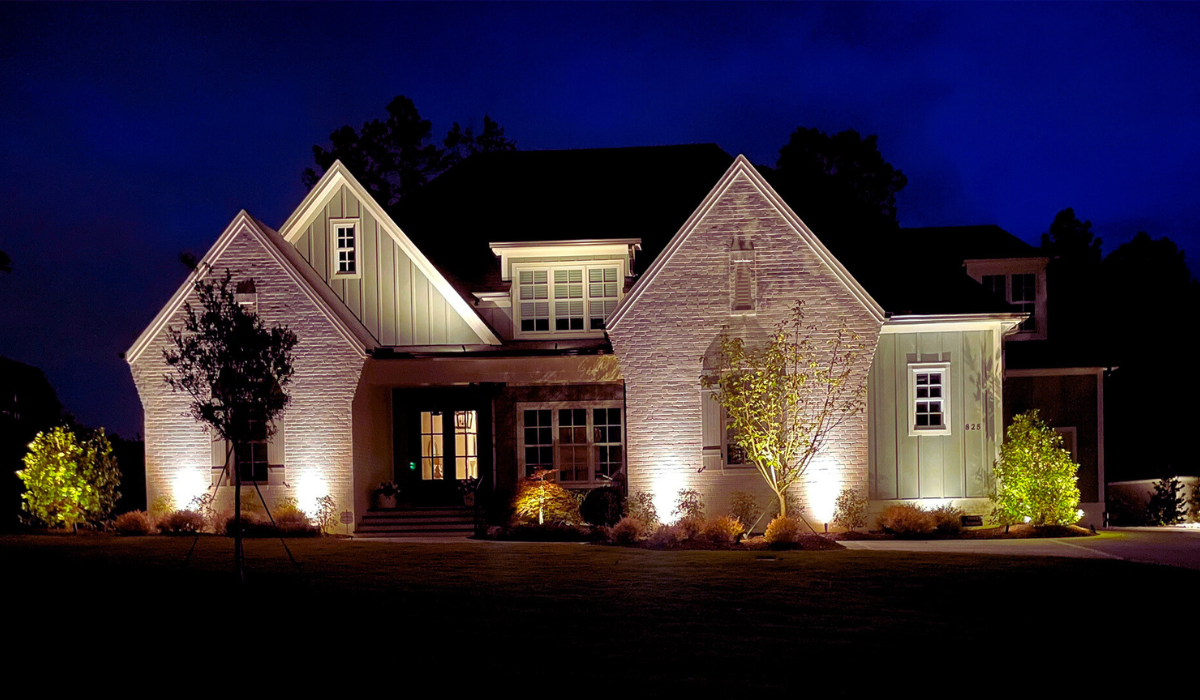
While DIY outdoor lighting kits may seem appealing, they often fall short in performance, safety, and aesthetics.
Improper placement, incorrect wiring, and poor fixture quality are common issues.
Professional outdoor lighting installation ensures proper design planning, safe electrical work, and reliable long-term performance.
Professional outdoor lighting installation offers:
- Custom lighting design tailored to your property
- High-quality, weather-resistant fixtures
- Safe, code-compliant electrical work
- Balanced light distribution without glare
- Long-term reliability and warranty protection
This is where Southern Lights Outdoor Lighting & Audio stands apart.
Our team specializes in residential outdoor lighting systems designed specifically for North Carolina homes.
We combine expert design, premium materials, and precise installation to deliver lighting that looks exceptional and performs reliably.
From walkways and landscapes to patios and architectural accents, Southern Lights creates outdoor lighting solutions that elevate how you experience your home night after night.
Why Professional Outdoor Lighting Matters More Than Ever
Professional installation isn’t just about appearance, but it’s about safety, efficiency, and lasting value.
A properly designed system enhances security, improves usability, and increases curb appeal without unnecessary energy waste or maintenance issues.
Homeowners who invest in professional outdoor lighting installation in NC consistently see better results, fewer problems, and a higher return on investment.
Are you ready to transform your outdoor spaces with professionally designed lighting?
Southern Lights Outdoor Lighting & Audio provides custom outdoor lighting solutions tailored to North Carolina homes.
👉 Schedule a consultation today and discover how expertly designed outdoor lighting can enhance your property’s beauty, safety, and value.
Frequently Asked Questions
How much does outdoor lighting installation in NC usually cost?
The cost of outdoor lighting installation in NC depends on factors like property size, number of fixtures, lighting zones, and fixture quality. Professionally designed systems may cost more upfront but deliver better durability, lower maintenance, and long-term energy savings. Custom designs also prevent costly corrections later.
Is LED outdoor lighting the best option for North Carolina homes?
Yes, LED outdoor lighting is ideal for North Carolina’s climate. LEDs use significantly less energy, last much longer than traditional bulbs, and perform consistently in heat, humidity, and cold. They also provide better control over brightness and color temperature for a balanced outdoor lighting design.
Do I need permits to install outdoor lighting in North Carolina?
Permit requirements vary by city and county in North Carolina, especially when electrical work is involved. Some municipalities require permits for wiring or transformer installation. Hiring a professional outdoor lighting installer ensures all local codes, permits, and safety regulations are properly handled.
How long does professional outdoor lighting installation take?
Most residential outdoor lighting projects are completed within one to two days. Larger properties or complex landscape lighting designs may take longer. Professional installers plan efficiently, minimizing disruption while ensuring precise fixture placement and safe electrical connections.
Can outdoor lighting really increase my home’s value?
Yes, professionally installed outdoor lighting enhances curb appeal, safety, and nighttime usability, all of which add perceived and real value to your home. Well-designed outdoor lighting makes properties more attractive to buyers and improves first impressions after dark.
How do professionals prevent glare and over-lighting?
Professional outdoor lighting designers use proper beam angles, shielded fixtures, and layered lighting techniques. This approach eliminates harsh glare, avoids light spill into neighboring properties, and creates balanced illumination that feels natural rather than overwhelming.
Will outdoor lighting systems hold up in North Carolina weather?
High-quality outdoor lighting systems are built to withstand North Carolina’s humidity, rain, temperature changes, and seasonal storms. Professional installers use weather-rated, corrosion-resistant fixtures designed for long-term outdoor performance in local conditions.
Is professional outdoor lighting installation safer than DIY?
Yes. Professional outdoor lighting installation ensures correct wiring depth, proper voltage management, waterproof connections, and full compliance with electrical safety standards. DIY systems often fail due to wiring errors, voltage drop, or improper fixture placement.
How much maintenance does an outdoor lighting system require?
Professionally installed outdoor lighting systems require minimal maintenance. Occasional cleaning, fixture adjustments, and periodic inspections help maintain performance. Quality LED systems reduce bulb replacements and long-term upkeep compared to low-quality DIY setups.